Whale Watching on the North Shore of Oahu — When, Where & How
March 13, 2026
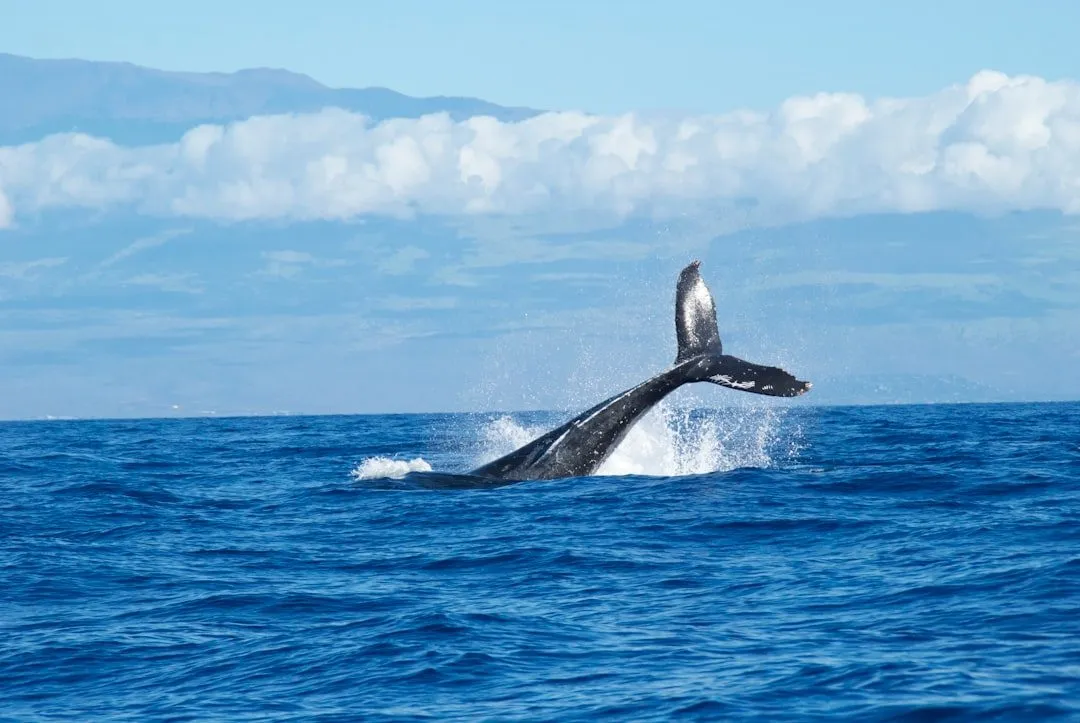
Every winter, thousands of humpback whales migrate from Alaska to the warm waters of Hawaii to breed, give birth, and nurse their calves. The North Shore of Oahu is one of the best places on the island to witness this spectacle — and if you’re staying near Turtle Bay, you’re in prime position.
Here’s everything you need to know about whale watching on the North Shore, from timing your trip to choosing between shore-based viewing and boat tours.
When Is Whale Watching Season on the North Shore?
Humpback whales arrive in Hawaiian waters as early as November and stick around through April, with peak season running from January through March. During peak months, it’s not unusual to spot multiple breaches, tail slaps, and spouts just from the shoreline — no binoculars required.
If your primary goal is whale watching on the North Shore of Oahu, aim for a late January to mid-March visit. The whales are most active and abundant during this window. Early morning and late afternoon tend to offer the calmest ocean conditions, making spouts and surface activity easier to spot.
That said, even November and April visits can yield sightings. The whales don’t follow a strict calendar — they follow the water temperature.
Best Spots for Whale Watching on the North Shore
You don’t need a boat to see whales on the North Shore. Elevated shoreline vantage points give you a wide field of view across open ocean. Here are the top spots, roughly ordered from the Turtle Bay area heading west toward Haleiwa.
Turtle Bay Resort Coastline
The paved walking path along the bluff at Turtle Bay Resort is one of the most convenient whale watching spots on the entire North Shore. The elevated position gives you a panoramic ocean view, and during peak season, you can often spot humpbacks while on a casual morning walk. If you’re staying at our Kuilima Estates condo, this path is just a short stroll from your door.
Kawela Bay
Just west of Turtle Bay, Kawela Bay is a quiet, protected cove with a rocky shoreline that provides natural elevated viewing. It’s less crowded than resort areas and offers a peaceful setting to watch for spouts offshore. Access is via the Kawela Bay trail — an easy 10-minute walk through ironwood trees.
Sunset Beach
Sunset Beach faces directly north into open ocean, making it an excellent whale watching location. During winter, the big wave surf draws crowds, but if you look beyond the lineup, you’ll often see whale spouts and breaches on the horizon. The beach parking lot and grassy area provide comfortable spots to sit and scan the water.
Waimea Bay
The rocky outcrop on the north side of Waimea Bay (near the jump rock) offers one of the best elevated vantage points on this stretch of coast. On calm winter mornings, you can sometimes see whales from the bay’s sandy beach too. Combine whale watching with a visit to Waimea Bay itself — one of the North Shore’s most beautiful beaches.
Pūpūkea / Sharks Cove Area
The elevated rocky coastline around Sharks Cove and Pūpūkea gives you a clear sightline across the open ocean. Bring a towel, sit on the lava rock, and watch. It’s quieter here during winter since snorkeling season hasn’t started, making it an ideal whale watching perch.
Hale’iwa Beach Park & Ali’i Beach
At the western end of the North Shore, Hale’iwa Beach Park and Ali’i Beach Park face northwest and can offer whale sightings, though they’re slightly less consistent than spots further east. If you’re spending the day exploring Haleiwa Town, it’s worth scanning the horizon from the harbor area.
Shore Viewing Tips
Maximize your chances of spotting whales from land with these tips:
- Bring binoculars. Even during peak season, whales can be a mile or more offshore. Binoculars turn a distant spout into a full breach.
- Look for the spout first. A humpback’s blow creates a visible column of mist 10–15 feet high. Once you spot a spout, keep watching — the whale will surface again within a few minutes.
- Go early or late. Calmer winds in the morning and evening mean flatter water, which makes spouts and surface activity much easier to see.
- Be patient. Give yourself at least 20–30 minutes at a good vantage point. Whales surface on their own schedule.
- Choose elevation. Higher viewpoints let you see further and spot activity you’d miss from sea level.
Whale Watching Boat Tours from the North Shore
While shore viewing is excellent (and free), a boat tour puts you much closer to the action. Seeing a 40-ton humpback breach from 100 yards away is a completely different experience than watching from shore.
Haleiwa Harbor Tours
Most North Shore whale watching tours depart from Haleiwa Small Boat Harbor. Several operators run daily trips during whale season, typically lasting 2–2.5 hours. Expect to pay $100–$175 per adult depending on the operator and boat size.
Popular operators include:
- North Shore Catamaran — Large catamaran with good stability, suitable for families
- Hawaii Nautical — Offers both sailing and motor vessel options
- Deep Ecology — Smaller boats with a more intimate experience and marine biologist guides
Tip: Book morning departures for calmer seas and less chance of seasickness. If you’re prone to motion sickness, take Dramamine 30 minutes before boarding.
Is a Boat Tour Worth It?
If you’ve never been close to a humpback whale, yes. The scale of these animals is hard to appreciate from shore. On a good tour day, you might see breaches, spy-hopping (whale poking its head above water), pectoral fin slaps, and mother-calf pairs. Many tours also include dolphin sightings and sea turtle encounters.
That said, even without a tour, the North Shore delivers outstanding whale watching from land. If budget is a consideration, shore viewing is genuinely rewarding — especially with binoculars and a good spot.
What You’ll See: Humpback Whale Behavior
Humpback whales are among the most acrobatic of all whale species. Here’s what to look for:
- Breaching — The whale launches most of its body out of the water and crashes back down. Spectacular from any distance.
- Tail slaps — The whale raises its tail (fluke) and slaps the water surface repeatedly. Audible from shore on quiet days.
- Pectoral fin slaps — Rolling on their side and slapping their long pectoral fins against the water.
- Spy-hopping — The whale rises vertically, poking its head above the surface to look around.
- Blow/spout — The most common sighting. A misty exhale visible from over a mile away.
Mother-calf pairs are especially fun to watch. Calves are playful and often breach repeatedly while the mother rests at the surface.
Whale Watching + Your North Shore Stay
One of the best things about staying on the North Shore during whale season is that whale watching isn’t a separate activity — it’s woven into your daily routine. Morning coffee on the lanai? Scan the horizon. Walking to the pool? Check for spouts. Strolling the Turtle Bay coastal path? You might stop every five minutes.
Our Kuilima Estates vacation rental at Turtle Bay puts you steps from some of the best shore-based whale watching on Oahu. The condo has a full kitchen (no need to rush out for breakfast when whales are putting on a show), pool access for the afternoons, and beach access at Kuilima Cove — where you can snorkel with sea turtles and watch for whales between dips.
Whether you’re visiting specifically for whale season or it happens to coincide with your trip, witnessing humpback whales on the North Shore is one of those experiences that stays with you. No aquarium, no documentary — just you, the Pacific, and a 40-foot whale doing a backflip.
Quick Reference: Whale Watching on the North Shore
Detail
Info
Season
November – April
Peak months
January – March
Best time of day
Early morning or late afternoon
Top shore spots
Turtle Bay path, Sunset Beach, Waimea Bay
Boat tour cost
$100–$175/adult
Tour departure
Haleiwa Small Boat Harbor
What to bring
Binoculars, sunscreen, patience